ROBOTICS & SMART MANUFACTURING 2030: STANDARDS, DISRUPTION AND INDUSTRY OUTLOOK
A summit where industry leaders exchanged perspectives on future-proofing Singapore’s manufacturing value chain.
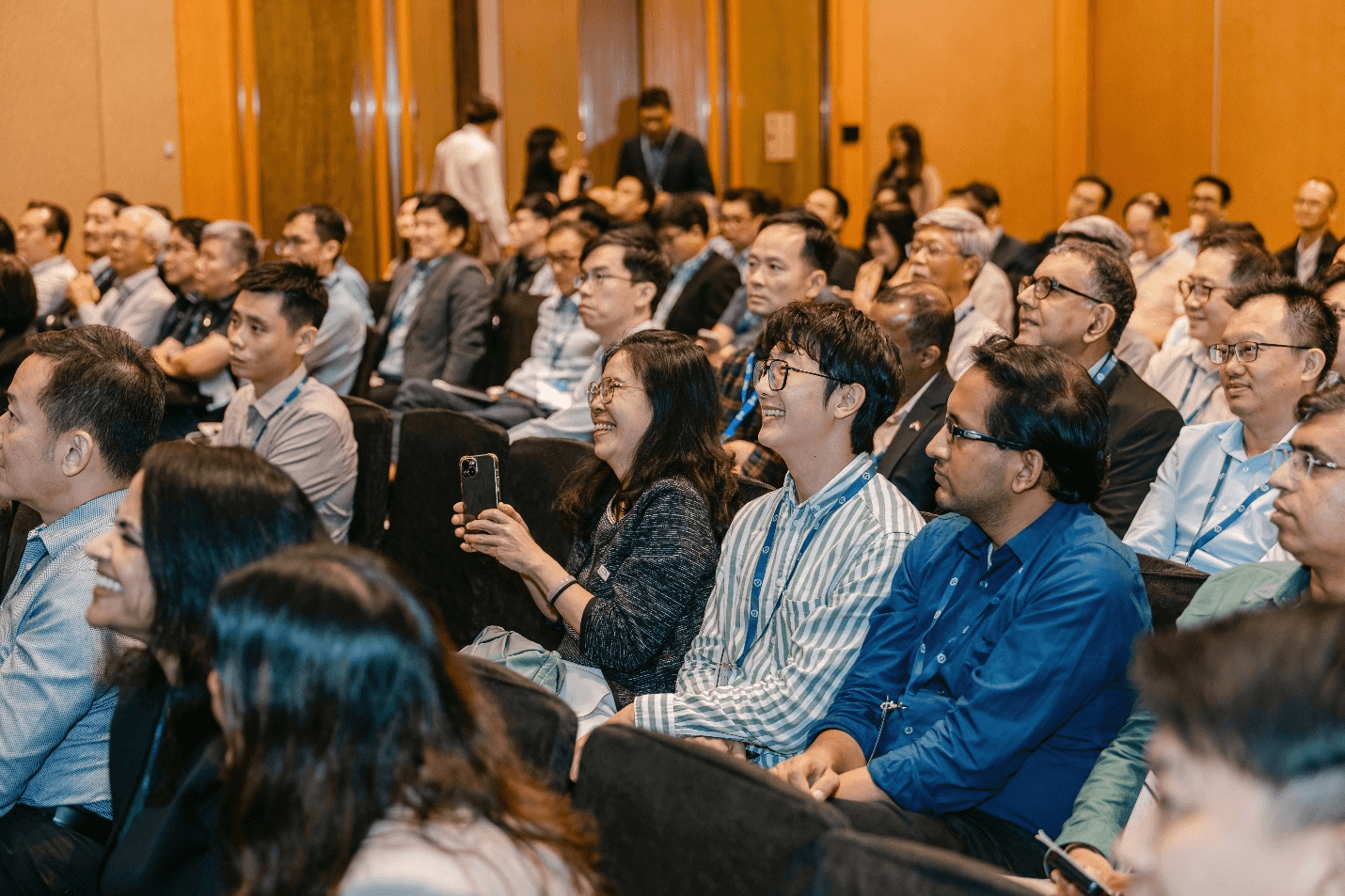
About MDS 2026 Track 2
This session examined how evolving robotics and smart manufacturing standards are shaping the next decade of industrial transformation. Speakers shared updates on key international and Singapore standards for industrial robots, AMRs, AI-enabled systems, enterprise integration, and lifecycle management. The discussion also highlighted major disruptions — from embodied AI to human-robot collaboration and cybersecurity — and what they mean for manufacturers.
Participants gained a clear view of emerging trends and how standards can help future-proof operations and strengthen competitiveness towards 2030.
Event Highlights
On 30 January 2026, Track 2 of the Manufacturing Day Summit took place at Marina Bay Sands, organised by the Singapore Manufacturing Federation (SMF) with support from the SMF Standards Development Organisation (SMF-SDO).
The session brought together 265 participants representing 210 organisations across the manufacturing ecosystem. Speakers and panellists shared perspectives on how standards are supporting industrial progress while helping companies manage risks linked to automation and AI adoption.
Building Quality & Trust with Enterprise Singapore’s Playbook
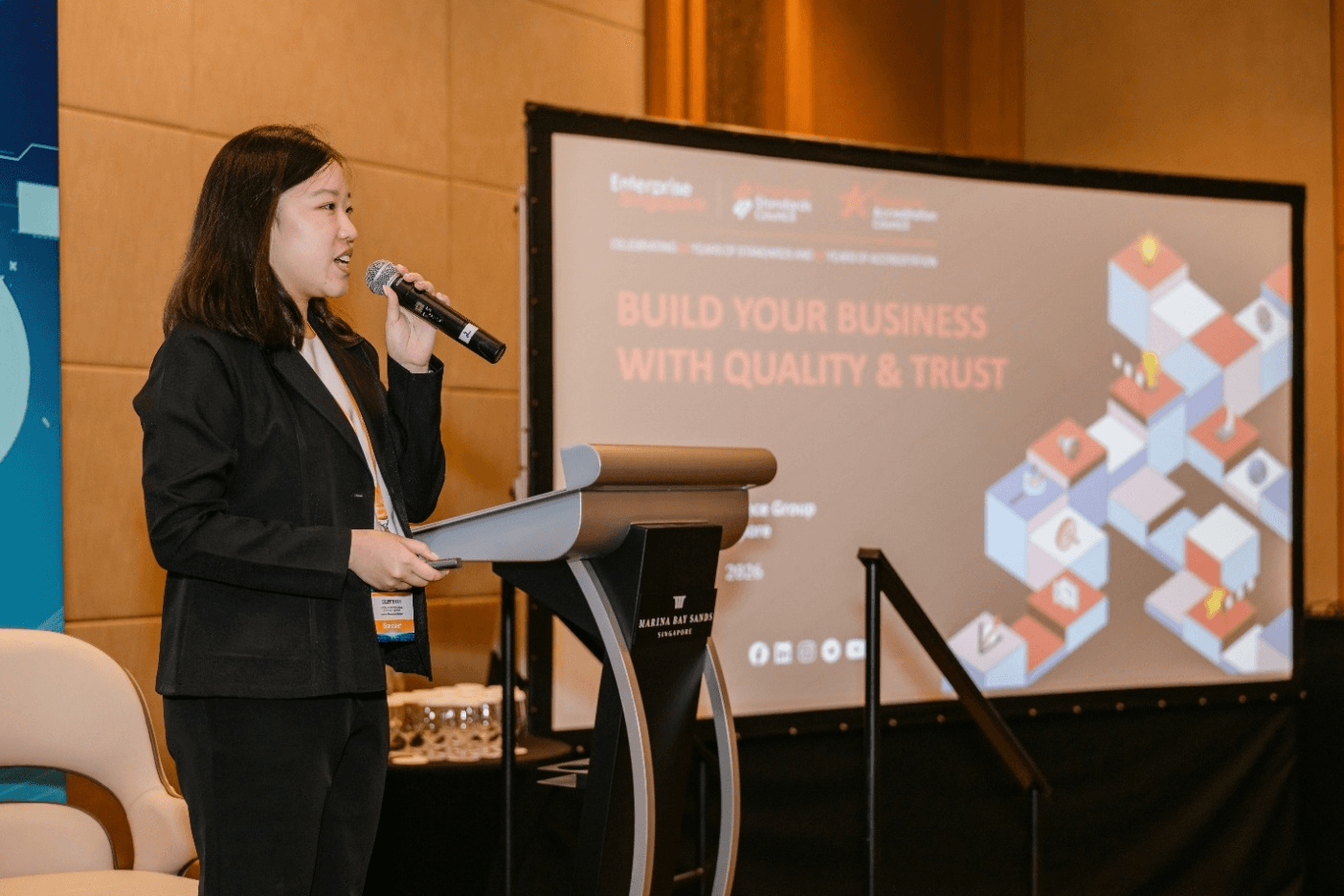
The session opened with Ms Celeste Tan from Enterprise Singapore, who highlighted that standards go beyond mere compliance. She emphasised the importance of investing in testing and assessment to build customer credibility and enhance brand reputation. Ms Tan also noted that having products tested, inspected and certified by accredited assessment bodies helps to identify potential issues early, mitigating risks and preventing costly mistakes before market launch.
Enterprise Singapore has also released a playbook highlighting examples of Singaporean companies that have successfully leveraged standards and conformance to their advantage.
Explore the playbook here:
https://www.enterprisesg.gov.sg/all-forms/quality-and-trust-playbook/
Standards as Business Power
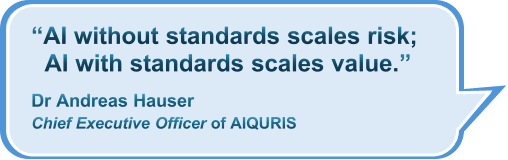
The session continued with Dr Andreas Hauser from AIQURIS, who addressed a common concern among manufacturers: whether standards slow down AI adoption.
Dr Hauser stressed that standards should not be viewed as a barrier to AI-driven manufacturing. When applied well, they connect regulatory expectations with practical deployment on the factory floor. This allows organisations to introduce AI systems in a controlled and reliable manner.
He noted that strong compliance practices can become a business advantage. Companies that embed standards early in their AI programmes are better positioned to scale solutions across operations and markets.
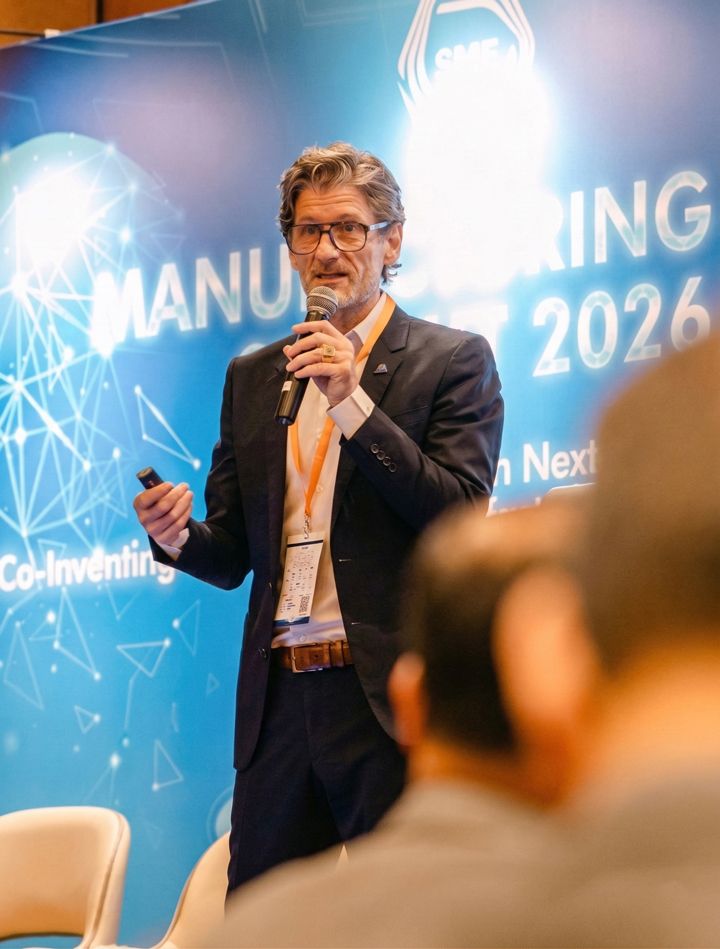
As conveyed in his speech:
The Future of Product Transparency – Digital Product Passport (DPP)
The session also explored the role of Digital Product Passports (DPPs) in supporting transparency and sustainability across manufacturing value chains.
A Digital Product Passport is a digital record that stores key information about a product throughout its lifecycle. This includes data on product origin, materials used, environmental impact and compliance documentation. By making this information accessible across the value chain, DPPs improve transparency and support responsible production practices.
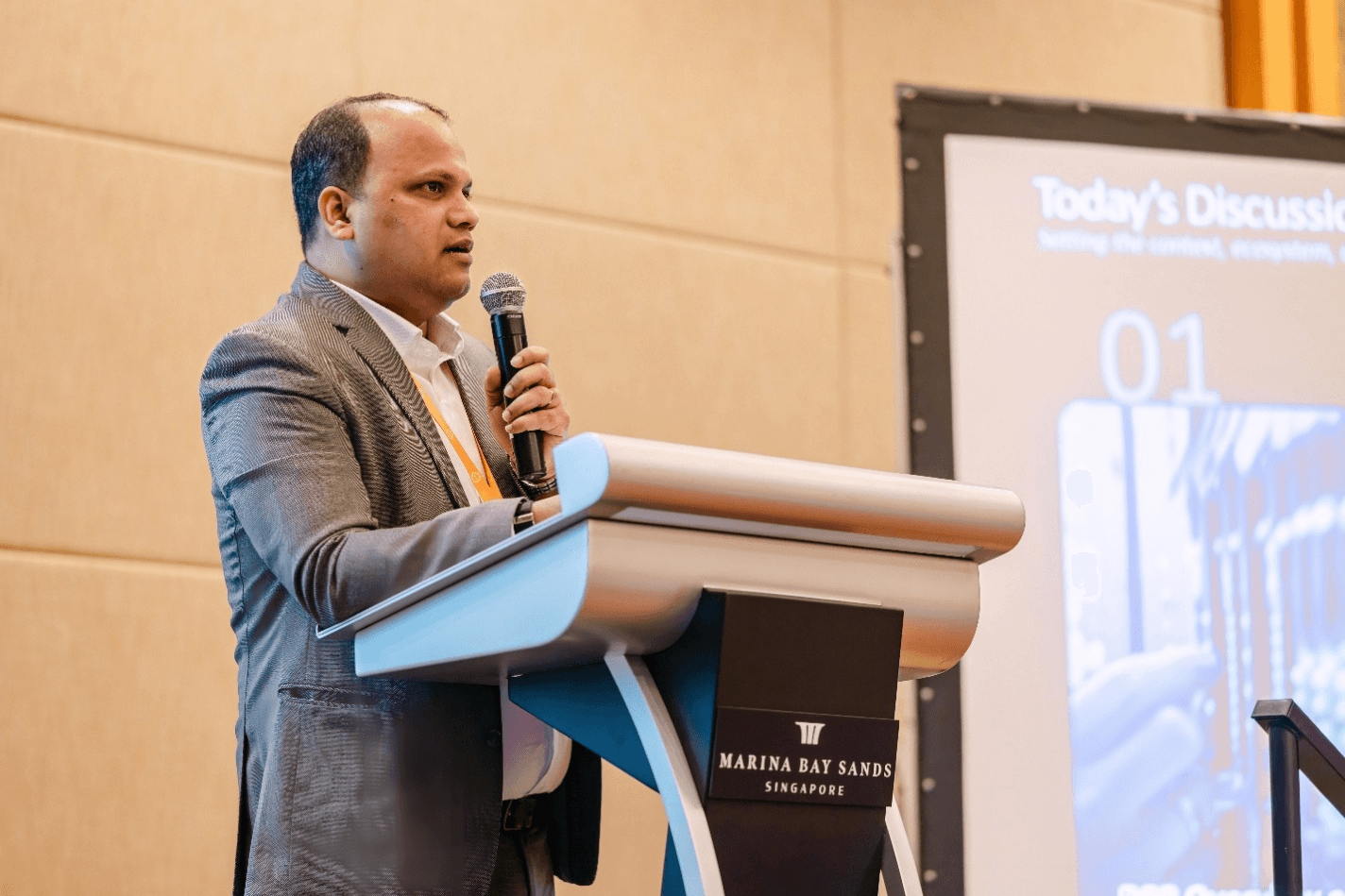
Mr Sathvik Rao from Accenture Singapore shared how DPPs are gaining attention as industries move towards more traceable and accountable supply chains.
He explained that when product data is standardised and structured, organisations can track products more effectively from production through to end-of-life. This creates stronger visibility across suppliers, manufacturers and customers.
The Emerging Digital Workforce – Humanoid Robots & Embodied AI
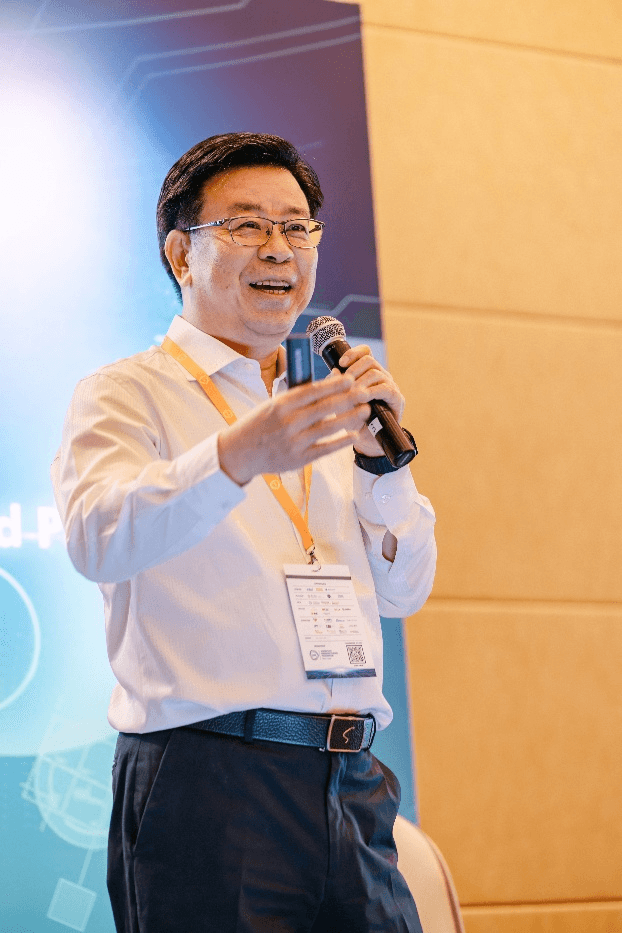
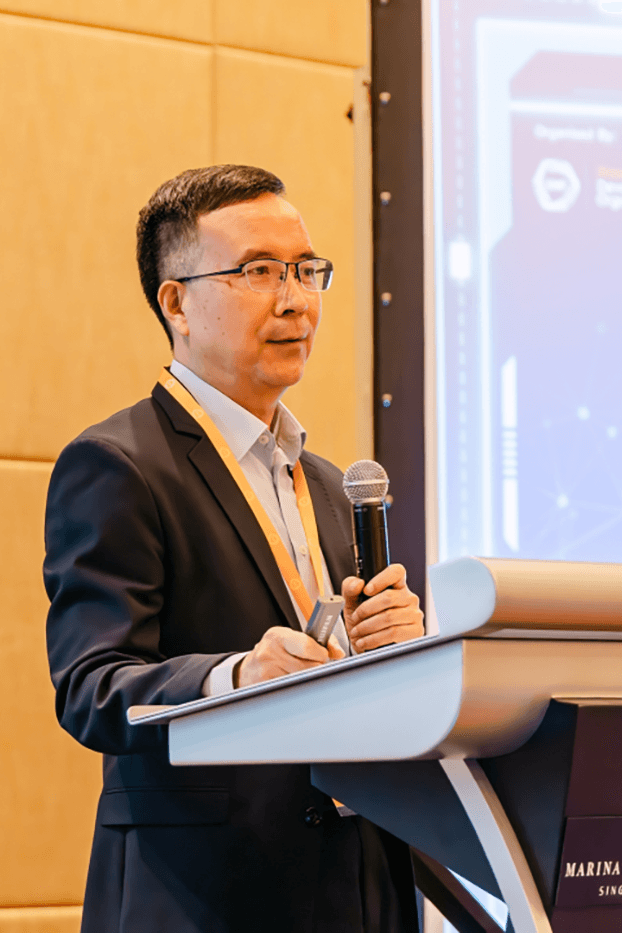
Dr Zhang Jingbing (left), Senior R&D Director at A*STAR ARTC & SIMTech, and Prof Xie Lihua (right), Director of Advanced Robotics Technology Innovation at Nanyang Technological University, Singapore, explored the topic of humanoid robots and the future of embodied AI at MDS 2026.
Dr Zhang from A*STAR’s Advanced Remanufacturing and Technology Centre (ARTC) and the Singapore Institute of Manufacturing Technology (SIMTech) delivered an engaging presentation on humanoid robots, highlighting the growing deployment of industrial robots in Singapore.
Prof Xie from the Advanced Robotics Technology Innovation Centre at Nanyang Technological University, Singapore, also shared his perspectives on the future of embodied AI and its continued advancements.
Panel Discussion: Industry 5.0 Eco-Systems Development with Standards
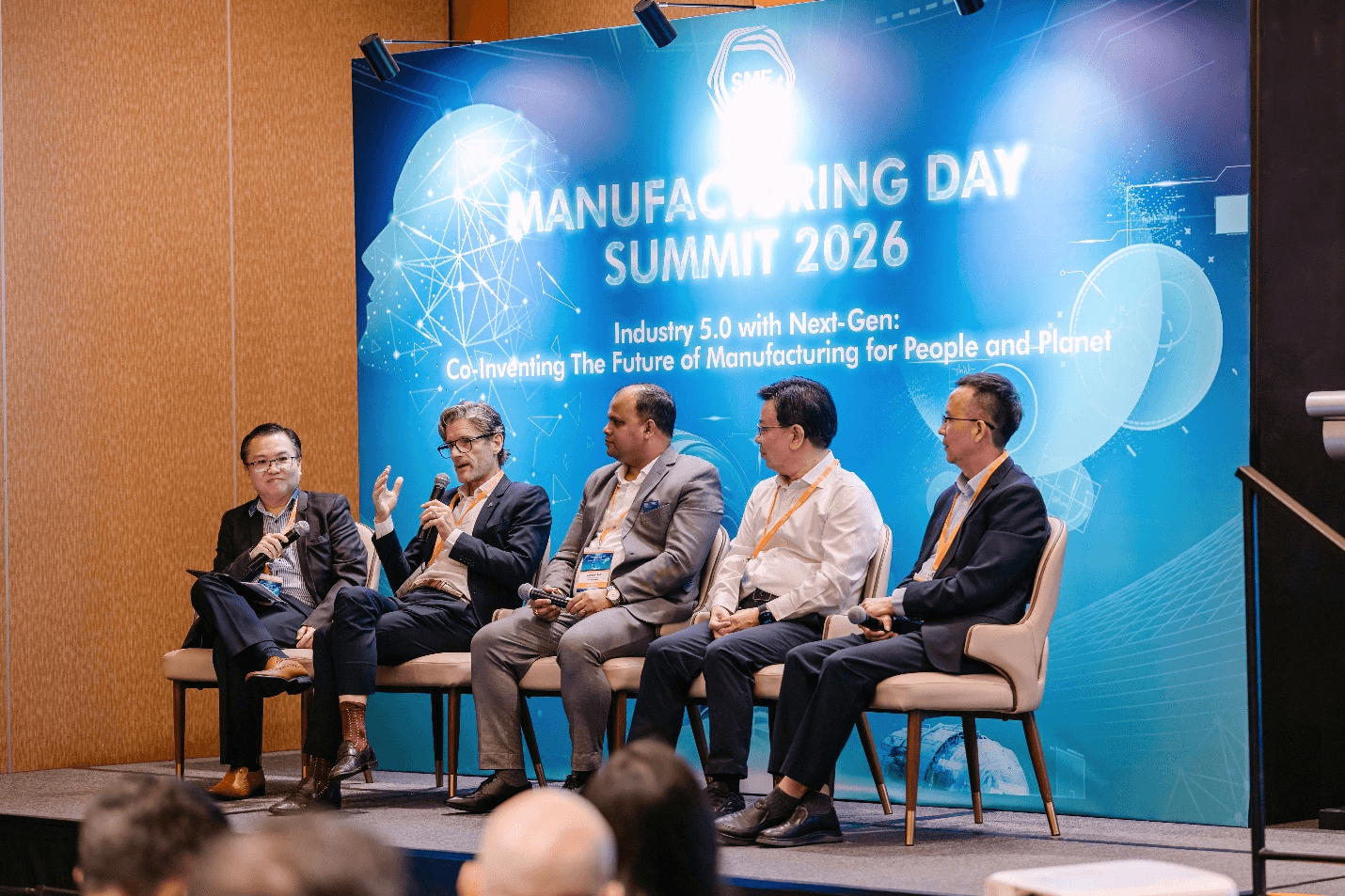
The track concluded with a panel discussion on advancing the Industry 5.0 ecosystem through standards, moderated by Mr Brandon Lee from Cantier System and featuring the session speakers as panellists. The discussion underscored the importance of shared frameworks, strong collaboration and practical governance as manufacturing systems become increasingly autonomous.
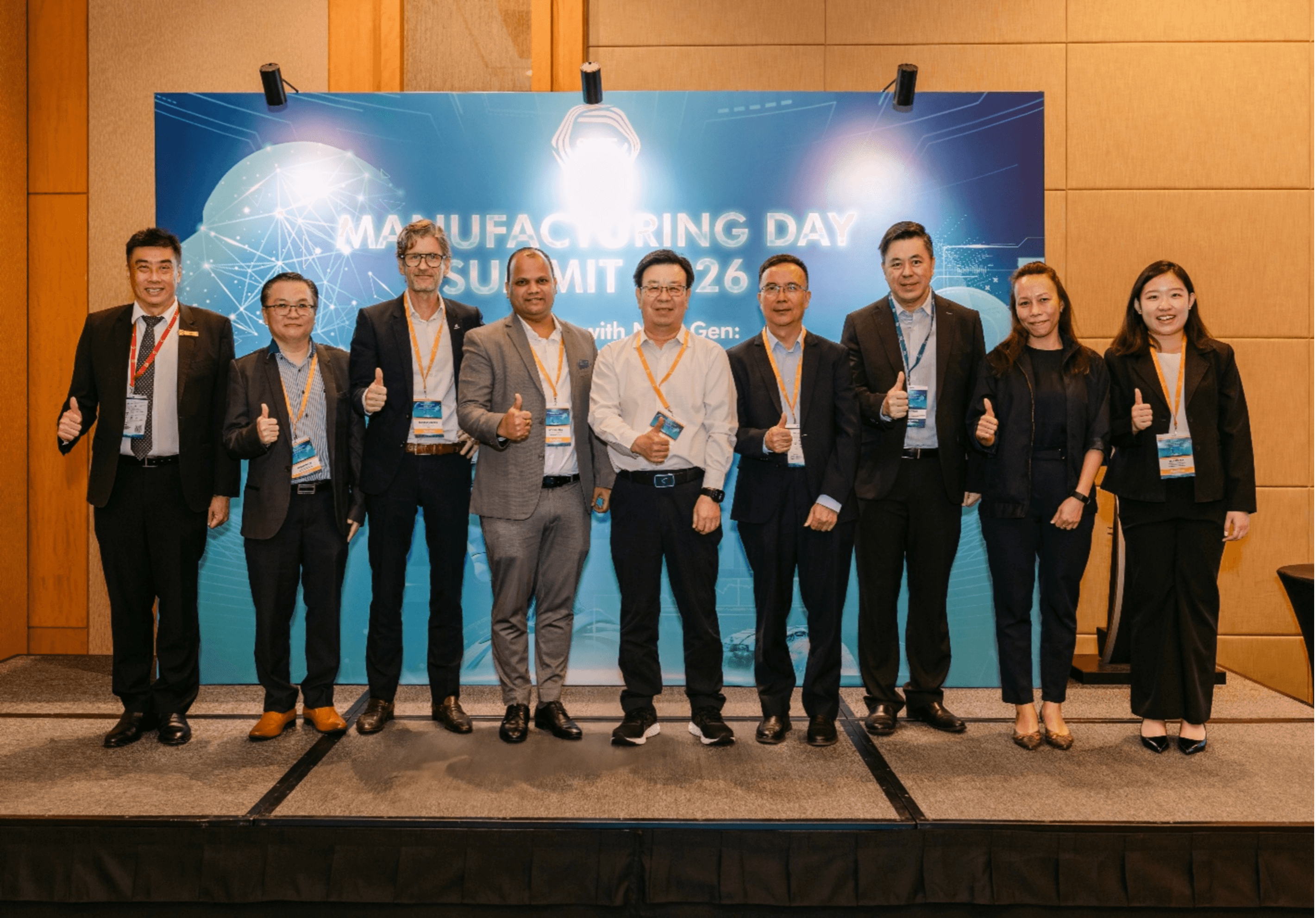
With that, we encourage businesses to adopt standards to drive growth.
Standards are not constraints — they are the boosters to business success.
Download the speaker slides to explore the key insights and presentations shared during the session.
To learn more about Singapore Standards or purchase a copy, please visit Singapore Standards e-shop